Lemon Dijon Homemade Mayonnaise
Highlighted under: Light & Fresh Recipes
Discover the zesty flavor of homemade mayonnaise with a twist of lemon and Dijon mustard, perfect for sandwiches, salads, and dips.
This Lemon Dijon Homemade Mayonnaise is a game-changer in the kitchen. The fresh tang of lemon combined with the sharpness of Dijon mustard creates a rich and flavorful condiment that elevates any dish. Perfect for those who love to experiment with flavors, this mayo is a staple that you can easily whip up in minutes!
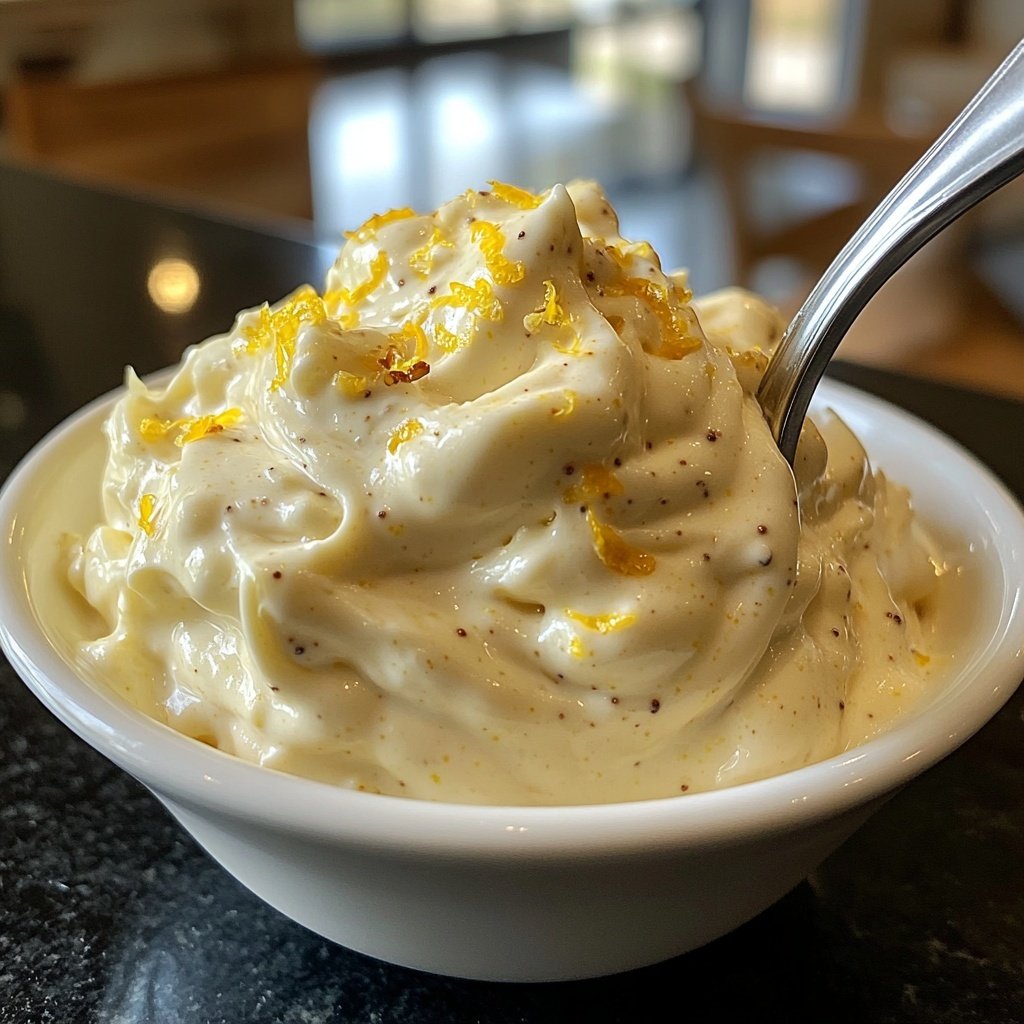
Why You'll Love This Recipe
- Fresh ingredients that enhance flavor
- Versatile for various dishes from sandwiches to salads
- Easy to make with minimal effort
The Magic of Homemade Mayonnaise
Homemade mayonnaise is a culinary delight that elevates any dish. The creamy texture and rich flavor are unmatched by store-bought versions. By making your own, you have complete control over the ingredients, ensuring that every spoonful is fresh and bursting with flavor. Plus, the satisfaction of whipping up your own mayo is a rewarding experience that adds a personal touch to your meals.
Using quality ingredients is key to achieving that perfect balance of taste and texture. The combination of lemon juice and Dijon mustard not only enhances the flavor but also adds a zesty twist that makes this mayonnaise stand out. It’s a simple yet sophisticated condiment that can take your sandwiches, salads, and dips to the next level.
Nutritional Benefits
This Lemon Dijon Homemade Mayonnaise is not just about taste; it also offers nutritional benefits. Eggs, a primary ingredient, are a great source of protein, healthy fats, and essential vitamins. They contribute to a balanced diet while providing the creaminess that makes mayonnaise so appealing.
Furthermore, using vegetable oil in moderation allows you to incorporate healthy fats into your meals. When combined with the antioxidants found in lemon juice, this mayonnaise becomes a flavorful option that supports overall health without compromising on taste. Enjoying homemade mayonnaise means you can indulge without guilt.
Versatile Uses
One of the best features of this mayonnaise is its versatility. It works beautifully as a spread for sandwiches, adding a layer of flavor that complements various ingredients, from turkey to roasted vegetables. You can also use it as a base for dressings, transforming simple salads into gourmet experiences.
Additionally, this mayonnaise serves as a delicious dip for fresh vegetables, chips, or even as a topping for grilled fish. The possibilities are endless, making it a staple in your kitchen. With this recipe, you’ll never run out of ways to incorporate Lemon Dijon Mayonnaise into your meals.
Ingredients
Ingredients
Lemon Dijon Mayonnaise Ingredients
- 1 large egg
- 1 tablespoon Dijon mustard
- 1 tablespoon lemon juice
- 1 cup vegetable oil
- Salt to taste
- Pepper to taste
Instructions
Instructions
Combine Ingredients
In a tall mixing bowl, combine the egg, Dijon mustard, and lemon juice.
Blend
Using an immersion blender, blend the ingredients while slowly adding the vegetable oil in a steady stream until the mixture emulsifies and thickens.
Season
Add salt and pepper to taste, blending briefly to combine.
Store
Transfer the mayonnaise to an airtight container and refrigerate for up to one week.
Pro Tips
- For a creamier texture, you can use light olive oil instead of vegetable oil. Feel free to adjust the lemon and mustard to your taste preferences!
Tips for Perfect Mayonnaise
To achieve the best results, use room temperature ingredients. Cold ingredients can hinder the emulsification process, resulting in a thinner consistency. Allow your egg and lemon juice to sit at room temperature for about 30 minutes before starting your mayonnaise.
When blending, pour the oil in a slow, steady stream. This gradual incorporation is crucial for proper emulsification, allowing the mixture to thicken and achieve that signature creamy texture. Patience is key; don’t rush this process for the best results.
Storing Your Mayonnaise
Proper storage is essential for maintaining your homemade mayonnaise. Transfer it to an airtight container and keep it refrigerated. It’s best enjoyed within a week, but the vibrant flavors will last as long as it’s kept sealed and chilled.
If you notice any separation, simply give it a quick stir before using. Homemade mayonnaise can sometimes thicken in the fridge, but a gentle mix will restore its creamy consistency. Always check for freshness before use, particularly if you’ve kept it for a few days.
Questions About Recipes
→ Can I use a regular blender instead of an immersion blender?
Yes, you can. Just ensure to add the oil very slowly while blending to help it emulsify properly.
→ How long does homemade mayonnaise last?
Homemade mayonnaise can be stored in the refrigerator for up to one week.
→ Can I use pasteurized eggs?
Absolutely! Using pasteurized eggs can help reduce the risk of foodborne illness.
→ What can I use this mayonnaise for?
This mayonnaise is perfect for sandwiches, salads, dips, and as a base for sauces.
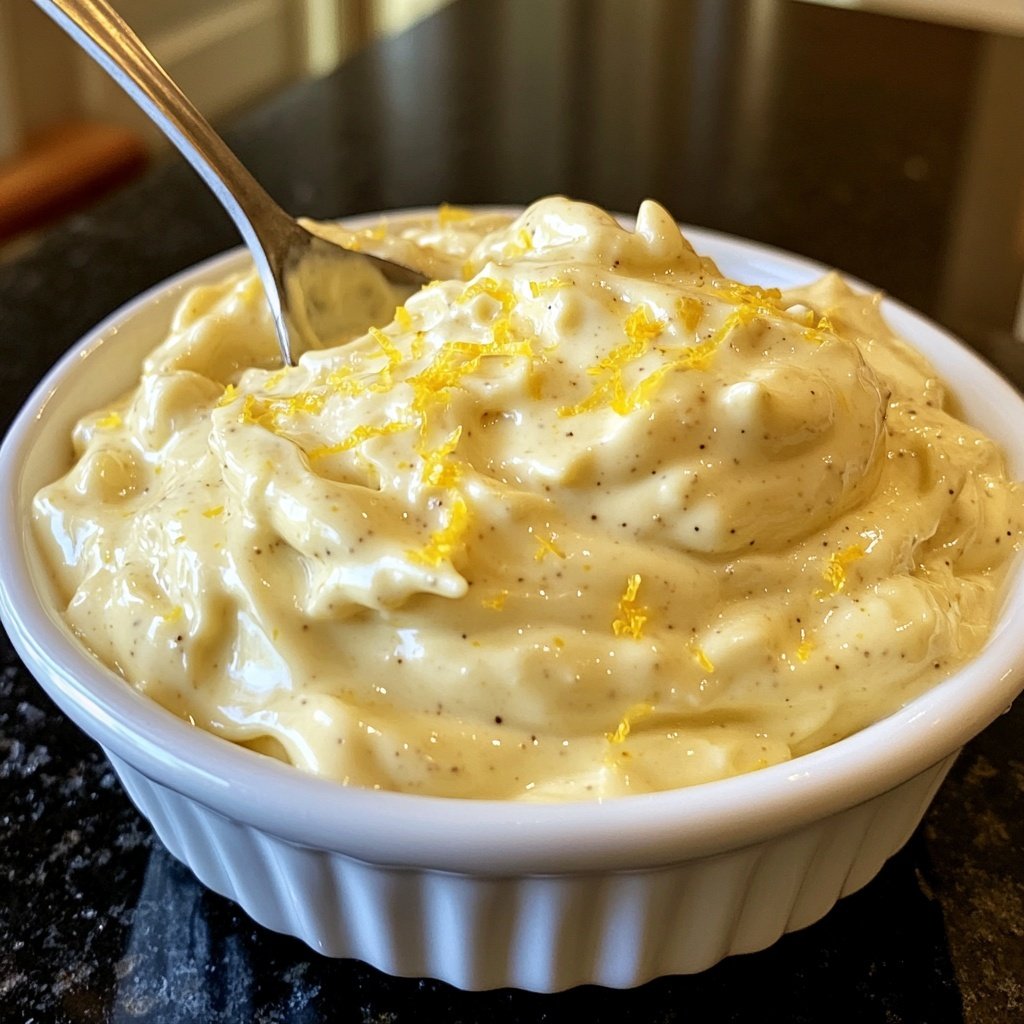
Lemon Dijon Homemade Mayonnaise
Created by: The Bitecraftrecipes Team
Recipe Type: Light & Fresh Recipes
Skill Level: Beginner
Final Quantity: 1 cup
What You'll Need
Lemon Dijon Mayonnaise Ingredients
- 1 large egg
- 1 tablespoon Dijon mustard
- 1 tablespoon lemon juice
- 1 cup vegetable oil
- Salt to taste
- Pepper to taste
How-To Steps
In a tall mixing bowl, combine the egg, Dijon mustard, and lemon juice.
Using an immersion blender, blend the ingredients while slowly adding the vegetable oil in a steady stream until the mixture emulsifies and thickens.
Add salt and pepper to taste, blending briefly to combine.
Transfer the mayonnaise to an airtight container and refrigerate for up to one week.
Extra Tips
- For a creamier texture, you can use light olive oil instead of vegetable oil. Feel free to adjust the lemon and mustard to your taste preferences!
Nutritional Breakdown (Per Serving)
- Calories: 150 kcal
- Total Fat: 15g
- Saturated Fat: 2g
- Cholesterol: 25mg
- Sodium: 120mg
- Total Carbohydrates: 1g
- Dietary Fiber: 0g
- Sugars: 0g
- Protein: 1g